
Discover the Magical Legacy of Ballynahinch Castle in the Heart of Connemara
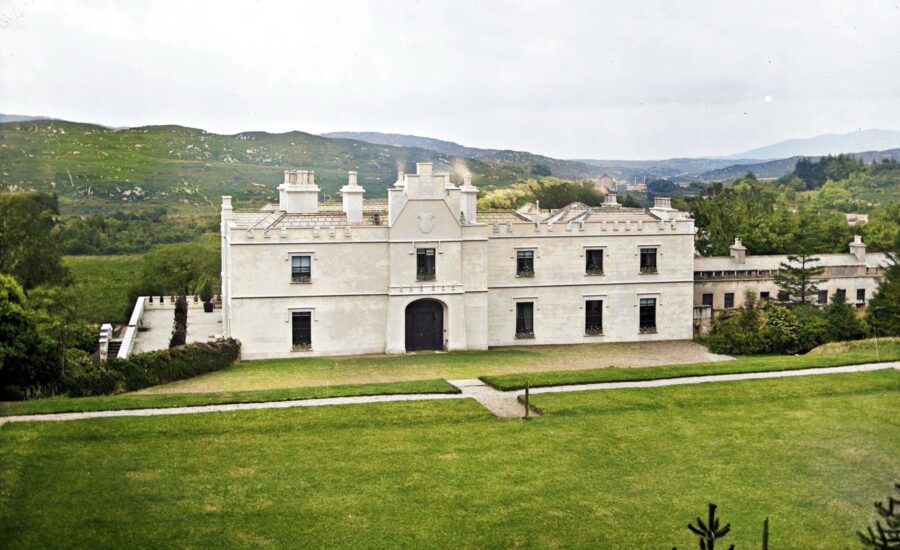
Nestled in the heart of Connemara, County Galway, Ballynahinch Castle boasts a rich and fascinating history that dates back to the 14th century. This enchanting castle has changed hands numerous times throughout its existence, witnessing the trials and tribulations of Irish history. This comprehensive guide delves into the captivating history of Ballynahinch Castle, providing readers […]
A Dive into the History of Leamaneh Castle, Co. Clare, Ireland
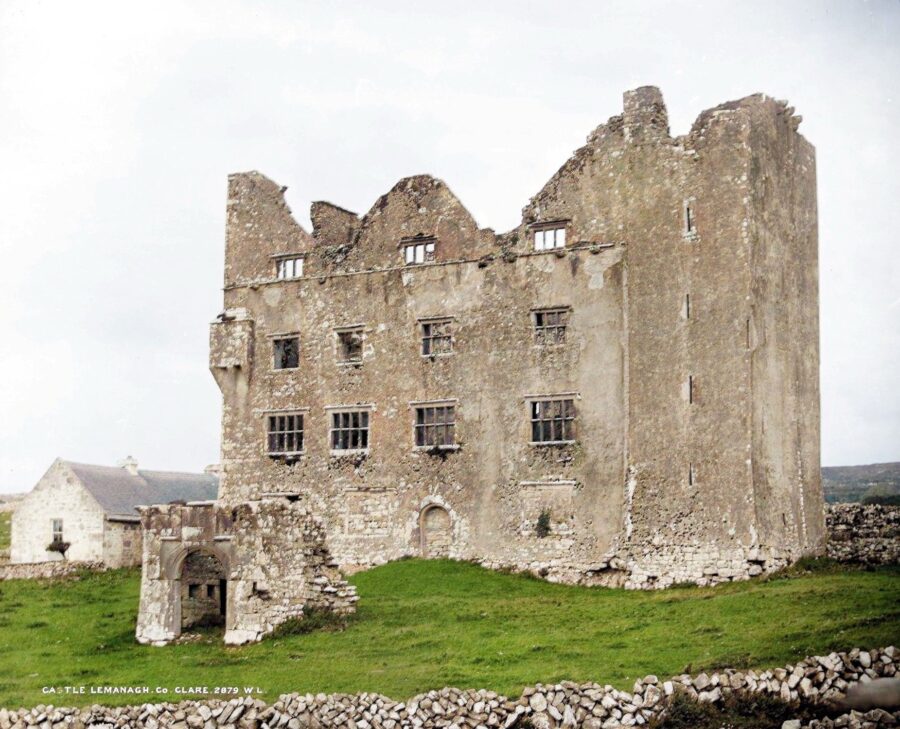
Leamaneh Castle, nestled in the beautiful County Clare, Ireland, is a historic site steeped in intriguing tales and captivating history. Often overshadowed by other more popular tourist destinations, Leamaneh Castle’s storied past deserves a closer look. This comprehensive guide will delve into the castle’s origins, the influential families that called it home, and the impact […]
The Rich History of Blarney Castle, Co. Cork, Ireland

Blarney Castle, situated in County Cork, Ireland, is a historical fortress that attracts visitors from all over the world. Known for the Blarney Stone, the castle offers much more than just the gift of eloquence. This article delves into the intricate history of Blarney Castle, detailing its architectural evolution, the famous legends surrounding it, and […]
Utilising Irish Estate Records for Your Genealogy Research

Genealogy research often feels like a treasure hunt, where each new piece of information unlocks a deeper understanding of your heritage. For those tracing their Irish roots, Irish Estate Records provide an invaluable resource. These documents offer unique insights into the lives of ancestors who lived in Ireland, sometimes as far back as the 17th […]
The History of the Andrews Family Name: An Irish Perspective

The surname Andrews, much like its close counterpart Anderson, signifies “son of Andrew.” The name, owing to the widespread veneration of Saint Andrew, a key apostle in Christian tradition, has its roots deeply embedded in early Christian Europe. Etymology and Meaning The name Andrew is derived from the Greek word “Andreas”, meaning “manly” or “brave”. […]
Cloughoughter Castle: A Historical Gem in Co. Cavan, Ireland
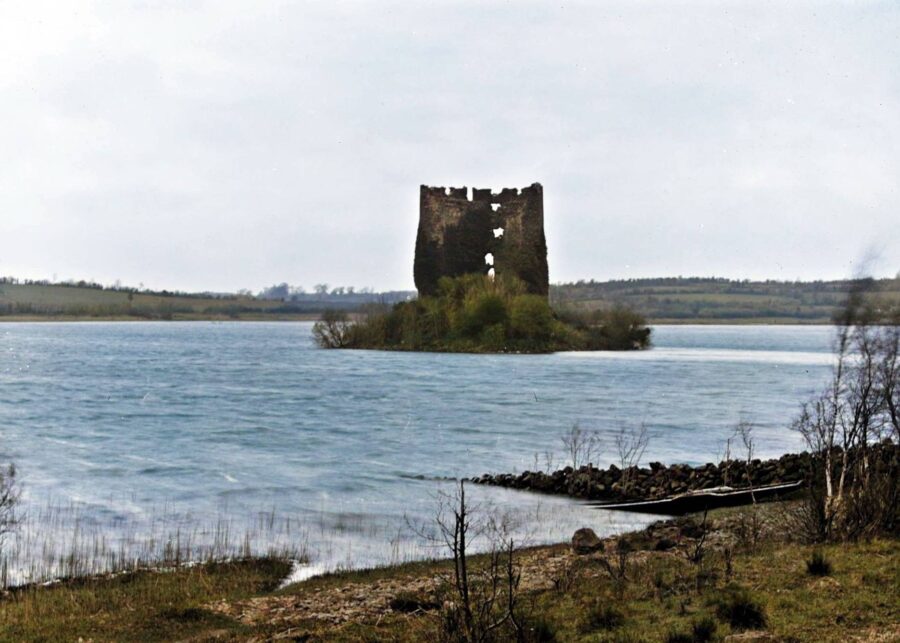
Cloughoughter Castle, a picturesque ruin situated on a small island in Lough Oughter, Co. Cavan, Ireland, is a historical treasure that has captivated visitors and locals alike for centuries. The castle’s enchanting presence, combined with its rich history, makes it an essential destination for anyone interested in exploring Ireland’s past. This article delves into the […]
The History of the Bingham Family Name: An Irish Perspective
The Bingham surname has its roots in English history, particularly associated with the toponym of Melcombe Bingham in Dorset. However, its significance in Irish history began with the arrival of Richard Bingham in the 16th century. Richard, hailing from Dorset, was appointed the governor of Connaught in 1584, marking the beginning of the Bingham family’s […]
The History of the Beary Surname in Irish Heritage
The Beary surname, primarily found in Ireland, particularly in Limerick and Tipperary, has a rich history. It is an Anglicized form of the Gaelic Ó Béara, closely related to O’Berry. This origin is intertwined with Irish culture and reflects the complex history of surnames in Ireland. Etymology and Meaning The surname Beary derives from the […]
History of the Berry Family Name from an Irish Perspective
The Berry surname, with its origins in Ireland and the Isle of Man, is primarily an Anglicized form of the Gaelic Ó Béara or Ó Beargha, denoting a descendant of Béara, a personal name of unknown meaning. While predominantly of Norman origin, derived from the Old French “barri” (meaning “rampart”), it’s also associated with the […]
The Bermingham Family Name: A Journey Through History and Heritage
The Bermingham family name, with its rich historical connotations, finds its earliest origins in Warwickshire, England. This surname’s initial emergence is closely tied to Peter de Bremingeham, who was recorded in the Pipe Rolls of Staffordshire in 1170. Over time, this family name evolved and became prominent in various regions, notably in Lincolnshire and Warwickshire, […]
The History of the Bergin Family Name
The Bergin family name, deeply rooted in Irish history, originates from Gaelic origins. It is an Anglicized form of the Gaelic Ó Beirgin or Ó Meirgin, which itself is an altered form of Ó hAimheirgin. This surname translates to ‘descendant of Aimheirgin,’ a name steeped in early Irish mythology and historical tales. Etymology and Meaning […]
The Legacy of the Bennett Surname: An Irish Historical Perspective
The Bennett surname, with its deep roots in Irish history, originated from the medieval name Benedict. This name stems from the Latin “Benedictus,” meaning “well-spoken of” or “blessed.” The English spelling of the Anglo-Norman name Ben[n]et, and its modern French counterparts Benoît (first name) and Bénet (surname), showcases the linguistic evolution of this distinguished name. […]
The History of the Bell Family Name: An Irish Perspective
The Bell surname, prevalent throughout Ireland, is rooted in both English and Gaelic origins. It’s believed to represent an English form of the Gaelic surname “Mac Giolla Mhaoil,” which translates to “son of the servant of the devotee.” This surname likely emerged either as an occupational name for a bell ringer or maker, or as […]
The History of the Baxter Family Name: An Irish Perspective
The Baxter surname, with its rich historical significance, stands as a testament to the cultural tapestry of Ireland. This exploration delves deep into the origins, migration, and historical context of the Baxter family name, underscoring its influence from an Irish historical viewpoint. The Baxter family name, though not originally Irish, found its place in the […]
History of the Beirne Family Name: An Irish Perspective
The Beirne surname, rooted deeply in Irish history, emerges from the Ó Beirn lineage, meaning “descendant of Beirn.” This origin is intriguingly tied to either the Old Norse name Bjǫrn or the earlier Irish name Bran, as seen in Byrne. Etymology and Meaning “Beirn” likely draws its essence from Norse or Gaelic traditions, with possible […]
Tracing the Legacy of the Behan Surname: A Journey Through Irish History
The Behan surname has its roots deeply embedded in Irish history. It is derived from the Gaelic name “O’Beachain”, which translates to “descendant of Beachán”. The name Beachán itself is a diminutive form, stemming from the word “beach”, meaning “bee”, suggesting that the original bearer might have been industrious and hard-working like a bee. Etymology […]
The History of the Begley Family Name: An Irish Perspective
The Begley surname, primarily found in Ireland, is an Anglicized form of the Gaelic “Ó Beaglaoich.” This name translates to “descendant of Beaglaoch,” a personal name combining “beag,” meaning ‘small,’ and “laoch,” meaning ‘hero.’ The name Begley has evolved over time, but its roots remain deeply embedded in Irish culture and history. Etymology and Meaning […]
The History of the Beggs Family Name: An Irish Perspective
The Beggs surname, with its roots in Scottish and sometimes Northern Irish origins, emerges as a notable name in the historical tapestry of these regions. This name, primarily a nickname, evolved from the Gaelic word “beag,” meaning “little” or “small,” describing the stature of its initial bearers. Etymology and Meaning The word “beag” in Gaelic, […]
Tracing the Legacy: The Beattie/Beatty Family
The Beattie/Beatty surname, with its various spellings such as Betagh and Beatagh, is rooted in Irish history. Its origin can be traced back to a family of Danish descent, although the early Anglo-Irish records suggest a Norman influence in their Christian names. This unique blend of cultural influences underscores the complexity of Irish surnames, often […]
The History of the Barron Family Name: An Irish Perspective
The Barron surname in Ireland can be traced back to two distinct origins. The first is “Mac an Bharúin,” a family name tied to the O’Neills of the North. The second origin is rooted in the Gaelic name “Ó Bearáin,” which means ‘descendant of Bearán.’ Bearán itself is a personal name derived from “bior,” which […]
The History of the Barrett Family Name: An Irish Perspective
The Barrett surname has roots that span multiple countries, including England and Ireland. In Ireland, the Barretts were early settlers in Cork and Mayo. Etymology and Meaning The surname Barrett is believed to have derived from the Old French “Barat” or “Baret”, translating to “trader” or “cunning”. This likely made its way to England after […]
History of the Barr Family Name
The surname Barr finds its roots in various regions across Europe, including Ireland, Scotland, and France. In the Irish context, the name is derived from the Old Gaelic term “Barr,” which means “top” or “tip.” Historically, this could be an occupational name for someone living at the top of a hill or a topographical reference […]
The History of the Baker Family Name: From Irish Hearth to Global Legacy
The surname Baker, ubiquitous and familiar, has its roots deeply embedded in the medieval soils of Europe. Predominantly an occupational name, “Baker” denotes an individual who baked bread—a fundamental profession in ancient societies. Etymology and Meaning The term “Baker” derives from the Old English “bæcere,” meaning “to bake.” It was a name given to those […]
The History of the Baird Family Name: A Journey from Irish Roots to Global Recognition
The Baird surname has Celtic origins, intricately intertwined with the history of Ireland and Scotland. “Baird” is believed to have originated from the Gaelic term “bard” or “bardd,” which translates to “poet” or “minstrel.” It is a fitting origin, considering the rich oral traditions of Celtic culture. Etymology and Meaning The name Baird, linked to […]
The History of the Bailey Family Name: From Irish Shores and Beyond
The Bailey surname, while today found in many parts of the world, has strong roots in the British Isles, including Ireland. Its origin is often associated with the Middle English term “baili”, denoting a steward or official. However, in Ireland, the name can be traced back to the Old French “baille”, meaning an administrative district […]
The History of the MacAuliffe Family Name: An Irish Lens
The MacAuliffe surname heralds from the ancient lands of Ireland, a name etched in Gaelic traditions. The original Gaelic form of the name is “Mac Amhlaoibh”, which means “son of Amhlaoibh” or “son of Auliffe”. The name Amhlaoibh itself is derived from the Old Norse name “Óláfr”, which made its way to Ireland through Viking […]
Tracing the Legacy: The Baxter Family Name in Irish History
The surname Baxter has origins that can be traced back to the medieval period, and it holds a particularly venerable place in the annals of Irish history. This name, although not originally Irish, has been present in Ireland since the Anglo-Norman invasion and has become ingrained in the tapestry of Irish genealogy. Historical Assimilation into […]
The History of the McArdle Family Name: An Irish Perspective
The McArdle surname has its roots deep in the soil of Ireland, specifically originating from the Gaelic name “MacArdghail”, which translates to “son of Ardghal.” Ardghal itself combines two elements: “ard” meaning “high” or “tall” and “gal” signifying “valor.” Etymology and Meaning Given its Gaelic origins, the name McArdle suggests someone who possesses both stature […]
The History of the McAneny/McEneaney Family Name: An Irish Perspective
Origin of the Surname The surnames McAneny and McEneaney are of Irish origin, stemming from the Gaelic “Mac an Eanaigh”, which translates to “son of the bird.” The name, while not as commonly found as some other Irish surnames, carries with it a rich tapestry of Gaelic culture and history. Etymology and Meaning At the […]
The History of the Anderson Family Name: An Irish Perspective
Origin of the Surname The surname Anderson, of Scandinavian origin, made its way into the British Isles during the Viking invasions and settlements. The name translates to “son of Andrew”, a direct and uncomplicated patronymic derivation. Andrew, a name of Greek origin meaning “manly” or “brave”, became popular in the Christian world due to Saint […]